
Ever catch yourself saying “yes” when everything in you is quietly begging for a “no”? Maybe you stayed late at work even though you were exhausted, or agreed to plans just to keep the peace. We’ve all been there—and it usually ends with us feeling drained, overlooked, or stretched way too thin.
Setting healthy boundaries isn’t about shutting people out. It’s about honoring your needs, protecting your energy, and letting go of the guilt that often follows. It’s one of the most powerful acts of self-respect you can practice.
What Healthy Boundaries Really Look Like
Think of boundaries as invisible guidelines that define what’s okay and what’s not—emotionally, mentally, and physically. Healthy boundaries aren’t rigid walls. They’re more like filters: they allow in what supports you and block what drains you.
When you have them in place, your relationships feel more genuine, your energy feels protected, and you show up more fully in every part of your life.
The Mindset Shift: Boundaries Are Not Selfish
Here’s the truth most people-pleasers never learned:
- Boundaries are an expression of self-love.
- They teach others how to treat you.
- They help you treat yourself with more care, too.
Protecting your energy isn’t rude or unkind. It allows you to show up more present, more authentic, and more aligned with who you want to be.
5 Mindset Shifts to Help You Set Boundaries with Confidence
1. Your Needs Are Just as Valid as Anyone Else’s
You don’t need a long explanation for why something doesn’t feel right. Your discomfort is enough. You deserve to honor that.
2. You’re Not Responsible for How Others React
Some people may struggle when you begin setting boundaries—especially if they’ve gotten comfortable with you having none. Their reaction doesn’t mean your boundary is wrong.
3. “No” Is a Complete Sentence
You don’t owe anyone an apology, excuses, or a five‑point explanation.
A simple “I’m not able to do that right now” is more than enough.
4. You Can Be Kind and Firm at the Same Time
Healthy boundaries don’t require harsh words or a hard edge. You can be calm, respectful, and still hold your ground.
5. Every Boundary Builds Self‑Trust
Every time you honor your limits, you strengthen the belief that you can protect your peace. That’s where real confidence starts to grow.
A Short Boundary‑Setting Exercise
Take a few minutes to journal through these prompts:
- Where in my life do I feel resentful or drained right now?
- What am I saying “yes” to out of guilt instead of desire?
- What boundary would bring me more peace or freedom?
Then practice writing one simple boundary sentence you can use next time. Something like:
“I’m focusing on rest right now, so I won’t be able to join, but thank you for thinking of me.”
The more you practice, the easier it becomes.
Final Thoughts: Boundaries Take Practice
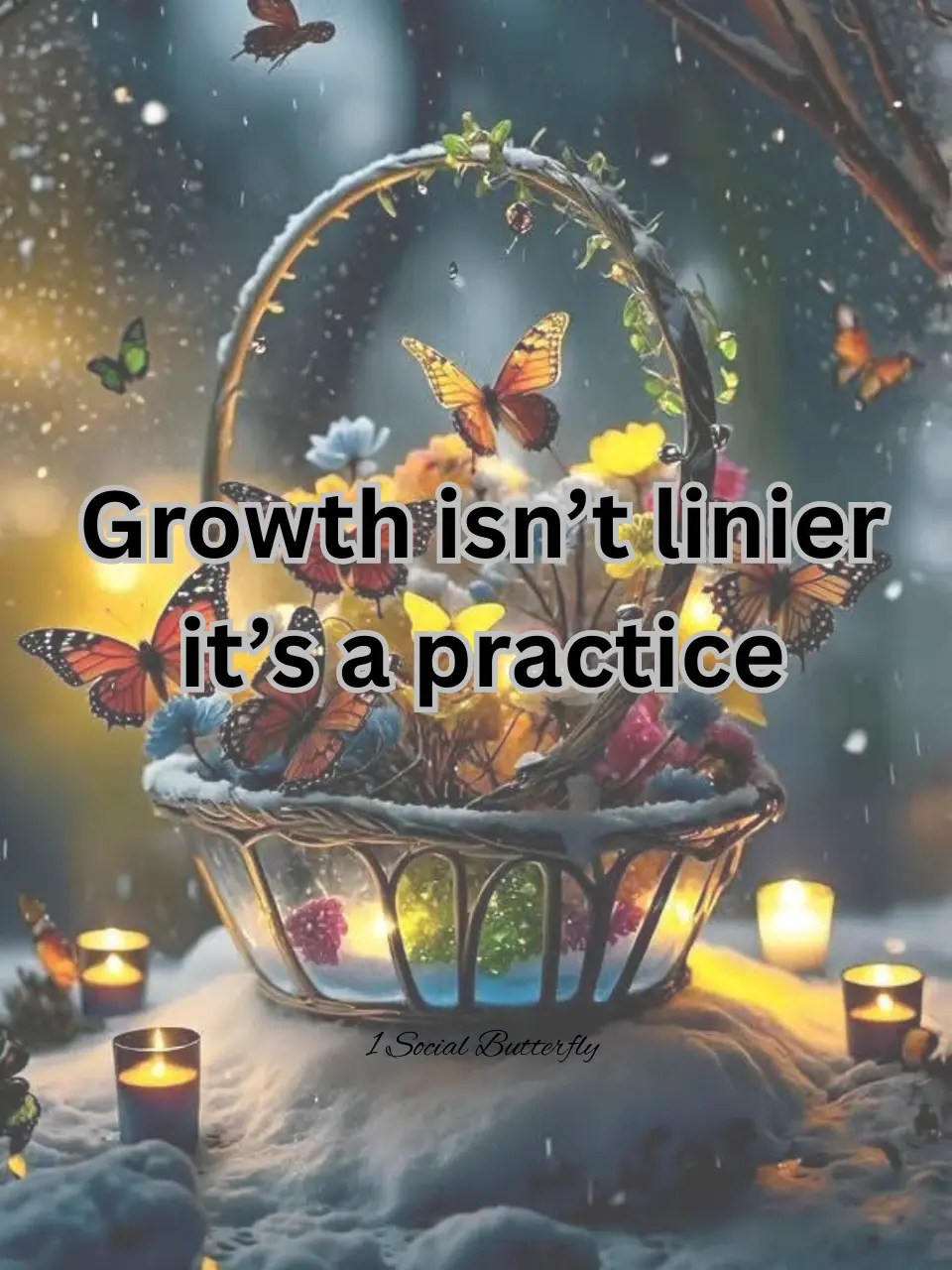
Setting boundaries isn’t a one‑and‑done kind of skill. Some days you’ll be confident, and other days you might over-explain or give in. That’s okay. Growth isn’t linear—it’s a practice.
The more you listen to your needs and honor them without apology, the more empowered, grounded, and authentic your life becomes.
Because here’s the truth:
- You don’t have to abandon yourself to be loved.
- The right people will respect your boundaries
- The wrong ones will show their true colors—and that clarity is a gift.
Your peace matters. Your energy matters. And you deserve relationships and environments that honor both.